
Design a Profitable Restaurant Menu: Strategy Over Beauty
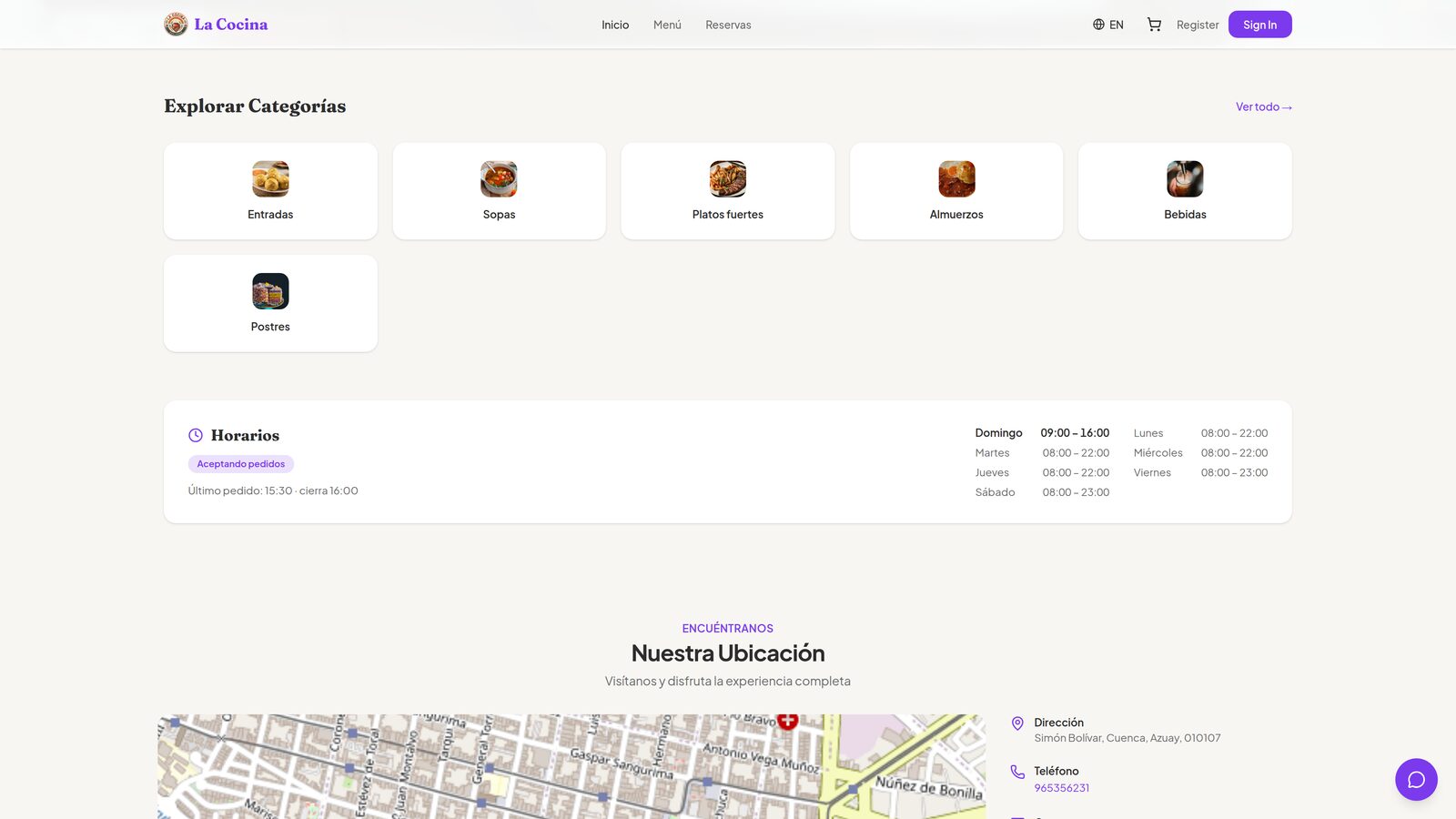
Your restaurant menu is not a design project—it's a profit-generation tool. While visual appeal attracts customers, intelligent menu architecture drives revenue. A well-designed menu guides diners toward your highest-margin dishes, reduces decision paralysis, and increases average transaction value. This guide shows you how to build a menu that works as hard as your kitchen staff.
Structure Your Menu for Clarity and Sales
The foundation of a profitable menu begins with logical organization. Customers must be able to navigate your offerings quickly and find what they're looking for without frustration. A cluttered, poorly organized menu creates decision fatigue—and decision fatigue leads to lost sales.
Divide your menu into clear sections. Common categories include appetizers, mains, sides, desserts, and beverages. Within each section, arrange items in a way that makes sense to your customer. For example, group proteins by type (poultry, beef, seafood) rather than randomly mixing them. This simple structure does two things: it respects customer expectations and creates natural flow that keeps them browsing longer.
Consider the visual weight of each section. Don't make appetizers take up half your menu if they represent only 15% of your revenue. Allocate space proportionally to your sales mix and profit goals. If pasta dishes generate 40% of your profit, they deserve prominent positioning and more menu real estate. This alignment between visual emphasis and financial importance ensures your design strategy supports your business objectives.
Beyond basic categorization, consider subcategories that guide customers naturally through your offerings. If you serve both classic and contemporary dishes, separate them. If you offer vegetarian options, highlight them as a distinct section rather than scattering them throughout. This organization respects dietary preferences and reduces the cognitive load on customers trying to find appropriate options.
The sequence of categories also matters. Most restaurants follow tradition: appetizers first, then mains, then sides, desserts, and beverages. This order works because it aligns with how diners think about meals. However, if beverages or wine selections are profit drivers, consider positioning them earlier in the menu to increase visibility and ordering.
Design for the Psychology of Choice
Human psychology influences what customers order more than most restaurant owners realize. Strategic menu placement can increase sales of specific dishes by 10–20% without changing price or quality.
Place your most profitable dishes in the visual "hot spots" of your menu—typically the top-right corner and the center of the page for physical menus, or near the top for digital menus on PedidoIQ.app. These positions naturally draw the eye first. When a customer's gaze lands on a high-margin item immediately, they're more likely to order it. Research on eye-tracking patterns shows that diners typically scan menus in a Z-pattern: starting at the top-left, moving to the top-right, then back to center, and down. Understanding this pattern allows you to position your most important items exactly where eyes land first.
Use descriptive language strategically. Don't just write "Grilled Chicken." Write "Herb-Brined Grilled Chicken with Roasted Root Vegetables and Pan Jus." Descriptive names increase perceived value and justify higher prices. Include sensory details—words like "crispy," "creamy," "tender," or "caramelized"—that trigger appetite and emotional connection. Mention sourcing or preparation methods when they add value: "hormone-free," "locally sourced," "slow-roasted," "hand-rolled." However, keep descriptions honest and deliverable—nothing damages reputation faster than a dish that fails to match its menu description.
Limit choices. Studies show that menus with 10–15 core items per category outperform larger menus. Overwhelming choice creates decision paralysis, reduces satisfaction, and increases the likelihood of complaint. A focused menu also simplifies kitchen operations, reduces food waste, and improves execution quality. When your kitchen team focuses on fewer dishes, they become faster, more consistent, and more skilled at producing them. This expertise translates directly to better food quality and fewer remakes.
Consider the concept of "decision architecture" when organizing choices. Group similar items strategically—for example, if you offer three pasta preparations, arrange them by intensity or heaviness rather than alphabetically. This helps customers understand the progression and make more confident choices. Similarly, grouping proteins with complementary preparations helps customers make coherent choices without feeling lost.
Price for Profitability, Not Just Coverage
Pricing is where menu design becomes a profit lever. Most restaurant owners price by cost-plus formula: multiply ingredient cost by 3 or 4 to arrive at menu price. This method ignores market demand, perceived value, and profitability variation across dishes.
Instead, use value-based pricing. Ask: "What will customers pay for this dish in my market?" Price at that level, then work backward to ensure profitability. If a dish costs $4 in ingredients and customers will pay $16, your margin is $12. If another dish costs $6 and customers will only pay $14, your margin is $8. The second dish is actually less profitable, despite higher revenue—so feature the first one. This approach recognizes that profit is determined by market value, not input cost alone.
Understanding your local market is essential for value-based pricing. Research competitor pricing for similar items in your area. Visit other restaurants at your price point and note their pricing strategies. Survey customers informally about what they'd pay for specific dishes. This market research informs pricing decisions that reflect customer expectations rather than arbitrary formulas.
Avoid "charm pricing" ($9.99, $14.95) for upscale menus; it cheapens perception. Round numbers ($10, $15, $20) increase perceived value and reduce calculation friction at checkout. Charm pricing works for casual, budget-conscious establishments but undermines premium positioning. The psychological benefit of saving a penny is vastly outweighed by the perception loss in upscale dining.
Create price anchors. If your most expensive main is $28, a $22 dish suddenly feels like a bargain. Strategic anchoring makes customers comfortable spending more across your menu. A $35 signature dish or luxury protein option creates context that makes your $18-$22 main courses feel reasonably priced. This anchoring effect is one of the most powerful pricing tools available and costs nothing to implement.
Consider psychological pricing tiers as well. Research shows customers gravitate toward the middle option when faced with three price points. If you offer a $12, $16, and $20 version of a similar dish, most customers choose $16. Use this insight to create intentional tiers that guide customers toward your preferred profit option.
Balance Signature Dishes with Profit Drivers
Every successful restaurant needs signature dishes—items customers come specifically for and tell friends about. These dishes build loyalty and reputation. However, signature dishes should never exist solely for ego or awards; they must also drive profitability or they're brand-building investments, not business assets.
Signature dishes serve multiple functions. They differentiate your restaurant from competitors, giving customers a reason to visit you instead of alternatives. They encourage word-of-mouth marketing—customers recommend your restaurant because of a memorable dish. They create menu stability and customer loyalty, as diners return specifically to order their favorite. But without profitability, even the best signature dish is ultimately a loss leader.
Aim for a portfolio: 30% signature dishes (moderate profit, high volume), 50% steady performers (solid profit, consistent demand), and 20% experimental or seasonal items (testing and innovation). This mix maintains reputation while ensuring consistent revenue. The steady performers provide the profitability backbone while signature dishes build brand equity and customer loyalty.
For dishes with low margins but high volume—like house soups or popular appetizers—use them as traffic drivers. Accept lower profit on these items if they increase overall customer count and encourage higher-margin add-ons or desserts. A $6 appetizer that costs $2 to make (66% margin) might drive four $20 main courses with 60% margins. The overall transaction value and profitability justifies the lower-margin appetizer. Track not just individual dish margins but customer lifetime value and average transaction value to make these decisions intelligently.
Consider limited-time offerings to test new dishes before committing to permanent menu placement. A 4–6 week trial period reveals whether a new dish has staying power before you invest in supplier relationships and staff training. This approach reduces the risk of menu bloat while maintaining innovation and customer interest.
Optimize for Your Ordering Platform
If you use an online ordering platform like PedidoIQ, your menu structure must optimize for digital consumption. Digital menu design differs significantly from print design, and ignoring these differences costs you sales.
-
Reduce scrolling friction: Place best-sellers and highest-margin items near the top. Mobile users rarely scroll past the first 10 items. Research shows mobile menu engagement drops by 50% after the first five menu items in a category. This makes top placement genuinely valuable real estate.
-
Use categories effectively: Digital platforms let you use collapse/expand menus. Group logically so customers find items without endless scrolling. Consider offering a "Quick Picks" or "Most Popular" section at the very top that combines bestsellers from multiple categories.
-
Enable filters and sorting: Let customers sort by price, allergens, or dietary preference. This increases accessibility and perceived value. A customer looking for gluten-free options will immediately find them rather than scanning the entire menu. This inclusivity builds loyalty among customers with specific dietary needs.
-
Highlight recommendations: Use badges or visual cues for bestsellers and high-margin items. A simple "Most Popular" or "Chef's Choice" tag can increase orders by 15%. These visual signals provide social proof that influences decisions, especially for first-time customers uncertain about what to order.
-
Optimize for mobile: Ensure your digital menu displays beautifully on small screens. Large images of signature dishes, clear pricing, and easy add-on selection improve mobile ordering experience. Mobile optimization directly impacts conversion rates—a poorly formatted mobile menu can cut your online order volume in half.
Digital ordering also provides data. Track what sells, what's abandoned in carts, and which items drive the highest transaction value. Use this data to refine menu placement monthly. Most platforms provide basic analytics showing popularity by item and category. Study which items appear together in orders—this tells you which pairings customers naturally gravitate toward and which might benefit from bundling or recommendations.
Test, Measure, and Refine
A profitable menu is never final. Test small changes quarterly: adjust pricing on one item, move a dish to a different section, rewrite descriptions, or add a new variant. Measure the impact on sales volume and profit. Small, controlled experiments minimize risk while generating valuable data.
Track these metrics for each menu item:
- Popularity ranking (how many times ordered)
- Profit margin (revenue minus ingredient and labor cost)
- Profit contribution (margin × volume)
- Customer feedback (ratings, comments)
- Paired purchase frequency (which items sell together)
- Cart abandonment rate (for digital menus)
Items with high popularity but low margin are opportunities to raise price slightly or reduce portion size. A popular item signals strong demand—raising price by $1–$2 often goes unnoticed but dramatically improves profitability. Items with low popularity but high margin may need repositioning or better description. Rewrite the description, move it to a better visual location, or pair it with a popular item as a combo. Items with both low popularity and low margin are candidates for removal—they're losing you money and taking up valuable menu real estate.
Track seasonal patterns in ordering. You'll likely notice that certain items sell better in summer, others in winter. Use this knowledge to emphasize seasonal dishes at the right time of year, improving sell-through rates and freshness. A winter pasta primavera won't sell well in January when customers crave heartier fare; the same dish repositioned in spring or summer will perform dramatically better.
Rotate seasonal items every 6–8 weeks to maintain freshness and test new concepts. Each test teaches you about customer demand and operational efficiency. Over time, you'll build an increasingly profitable menu. Consider rotating 2–4 items per quarter so that regulars see newness without the menu becoming unrecognizably different. This balance maintains core profitability while driving repeat visits as customers discover new favorites.
Create a rotation schedule that aligns with ingredient availability and your suppliers. Winter items featuring squash, root vegetables, and hearty proteins should launch as fall transitions to winter. Spring items featuring asparagus, fresh herbs, and lighter proteins should launch in early spring. This alignment reduces ingredient costs and improves freshness, which directly increases margins and quality.
Frequently Asked Questions
Q: How many items should my menu include? A: Aim for 10–15 core items per category. This balances choice with simplicity and reduces kitchen complexity. Larger menus increase food waste, slow service, and reduce execution quality. For a typical full-service restaurant with appetizers, mains, and desserts, 30–50 total items is an ideal range.
Q: Should I offer cheaper options to attract budget-conscious customers? A: Yes, but strategically. A low-price "entry point" item (appetizer, simple pasta) can attract price-sensitive customers, but design the rest of the menu to encourage upselling to higher-margin items. Ensure your least expensive main course is still profitable and represents your quality standard—a $9 main that's prepared as an afterthought will generate complaints, not loyalty.
Q: How often should I update my menu? A: Keep core items stable (customers expect them), but refresh 10–20% seasonally. Use quarterly reviews to test new dishes and retire underperformers. Some restaurants benefit from monthly feature changes that highlight seasonal ingredients without requiring full menu reprinting.
Q: Does menu description really affect sales? A: Absolutely. Descriptive, appetizing language increases perceived value and orders by 10–20%. "Salmon" sells less than "Wild Alaskan Salmon with Lemon Beurre Blanc and Seasonal Vegetables." The extra description justifies higher pricing and creates mental imagery that increases ordering likelihood.
Q: How do I price premium items without losing customers? A: Use price anchors (a higher-priced item makes mid-range items seem reasonable) and justify price with quality, preparation time, or ingredient sourcing. Transparency builds confidence in pricing. If a dish commands a premium price, explain why: "Line-Caught Diver Scallops" or "Prime Aged Ribeye" signals quality that justifies higher cost. Train staff to explain price rationale when questions arise.
Q: Can menu design really increase profit by 10–20%? A: Yes. Strategic placement, pricing optimization, and description improvements can shift customer orders toward higher-margin dishes without changing your actual offerings. The changes are design-based, not operational. Combined with pricing adjustments, menu engineering typically improves restaurant profitability by 8–15% within the first year of implementation.
Conclusion
A profitable menu balances customer delight with business reality. It's organized for clarity, priced for margin, and refined by data. Start by auditing your current menu against the strategies above—identify your profit leaders and laggards, reorganize for clarity, and test small changes. Over 6–12 months of incremental optimization, you'll see measurable improvements in average transaction value, customer satisfaction, and net profit. Your menu is your most powerful sales tool; design it like it.