
How to Use Instagram to Promote Your Restaurant: A Complete Guide for Owners
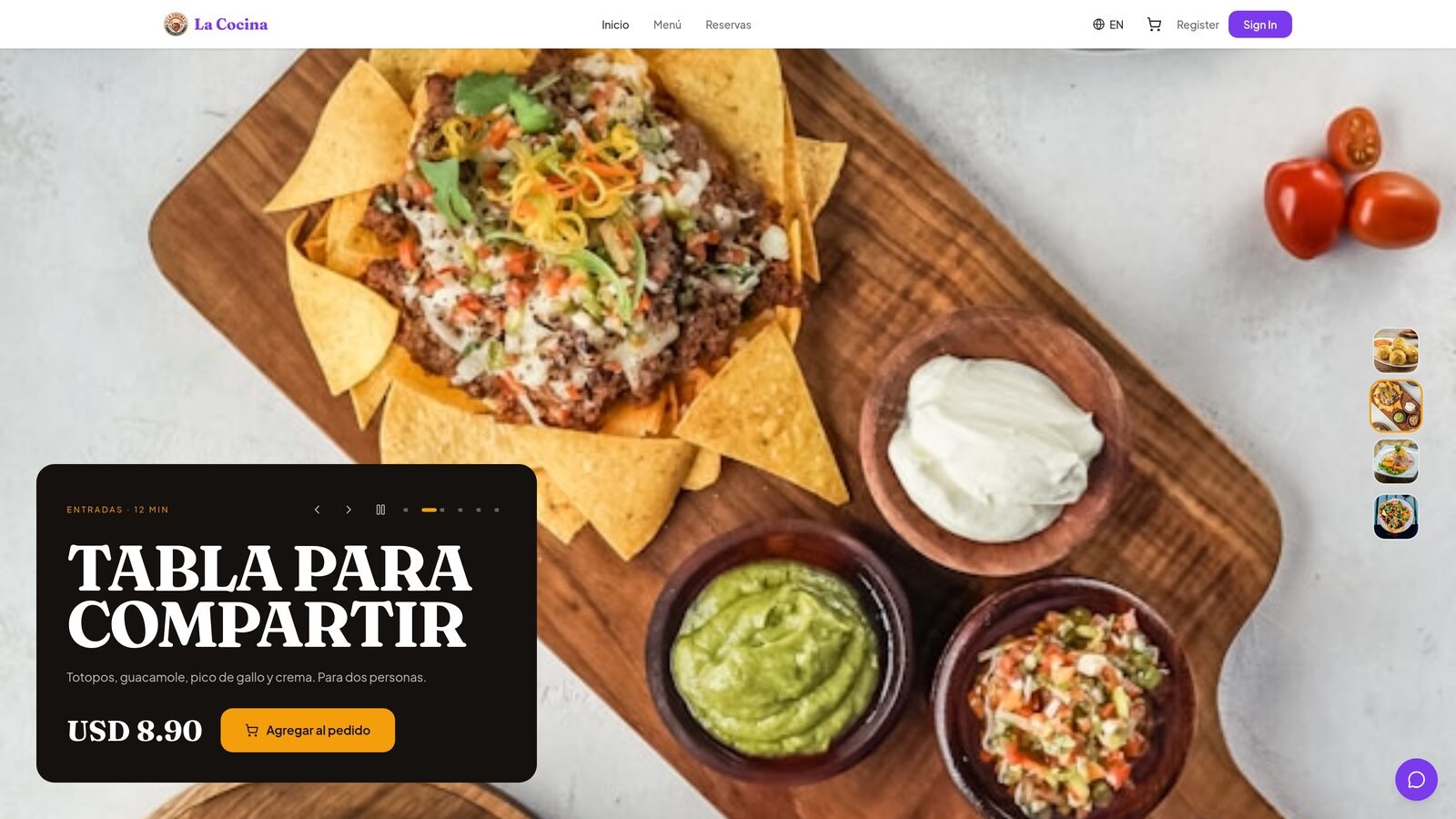
Instagram is essential for restaurant growth. A strong visual strategy—from a complete business profile and high-quality food photography to consistent posting schedules and strategic hashtags—directly attracts customers and builds brand loyalty. This guide covers every step to maximize your restaurant's Instagram presence and convert followers into diners.
Set Up a Professional Business Instagram Account
The foundation of your Instagram strategy is a properly configured business account. When creating your restaurant's Instagram presence, ensure you establish a business account, not a personal or creator account. This distinction is crucial because your goal is to promote your restaurant, not your personal brand.
A business account gives you access to tools and features that personal accounts simply don't offer. These include Instagram Insights (detailed analytics about your followers and post performance), contact buttons (like "Call" or "Book a Table"), and the ability to run paid promotions directly from your account. Additionally, business accounts are indexed by search engines, making your restaurant more discoverable online beyond Instagram itself.
Once your business account is active, configure your biography carefully. Since Instagram is inherently a visual platform, your photos and videos must communicate your restaurant's essence at a glance. Your bio should be brief and concise, including:
- Your restaurant's name
- Your location
- A clear statement of what you offer (cuisine type, dining style, etc.)
- Contact information or a link to your website or reservation system
This information helps users quickly understand who you are and what to expect. A well-written bio also establishes your brand identity before anyone sees your first post. Consider including a call-to-action, such as "Reservations link in bio" or "Order online at [URL]," to drive traffic directly to your ordering or reservation system.
Your profile picture should be your restaurant's logo or a recognizable image of your storefront. This visual consistency helps followers identify your posts in their feed and builds brand recognition over time.
Create and Post High-Quality Visual Content
High-quality photography is the cornerstone of restaurant Instagram marketing. Your images and videos should speak for themselves, so invest time in learning proper food photography techniques. According to data from professional sources, common food photography mistakes that reduce engagement include shooting under poor lighting (yellow or fluorescent), cluttered backgrounds that distract from the dish, inconsistent editing styles across posts, low-resolution images that appear blurry on mobile devices, and using the overhead angle for every single dish.
To improve your content quality:
- Lighting matters most: Avoid yellow and fluorescent lighting. Natural light is ideal for food photography. Position dishes near windows when photographing, or invest in softbox lighting if shooting indoors during evening service. Poor lighting makes even your most beautiful dish look unappealing and can discourage potential customers.
- Vary your angles: Don't default to overhead shots. Try side angles, close-ups, and 45-degree perspectives to showcase different dishes. A flat lay works for salads and composed plates, but a 45-degree angle often shows height and dimension better for stacked or textured dishes. Close-ups of sauce drizzles, garnishes, or texture details add variety and visual interest.
- Keep backgrounds clean: Ensure your plating, table setting, and surroundings are neat and professional. A blurred background works well in photography; use props like napkins, cutlery, or small glasses to add context without overwhelming the main dish. The goal is to draw attention to your food, not to your restaurant's walls or cluttered tables.
- Maintain editing consistency: Use the same filters or editing style across all posts to build a recognizable aesthetic. This consistency creates a cohesive feed that followers begin to recognize as uniquely yours. Consistent color grading—whether warm and inviting or cool and modern—reinforces your brand identity.
- Shoot at high resolution: Mobile users should see sharp, clear images, not blurry or pixelated photos. Instagram compresses images, so shooting at the highest quality your phone or camera allows ensures your final posts remain crisp and professional on mobile devices.
Beyond static images, use dynamic content formats. Tools like Boomerang can create fun GIFs—mini-videos showing sauces, hot dishes, or cooking processes—that capture attention in feeds. These animated posts often generate higher engagement than static photos alone. You might create a Boomerang of a spoon breaking through a chocolate lava cake, sauce being drizzled over a plate, or steam rising from a freshly delivered dish. These movement-based videos stop scrollers in their tracks and encourage them to engage with your content.
Also consider Reels—Instagram's short-form video feature. A 15-30 second Reel showing food preparation, a quick recipe demo, or a "day in the life" of your kitchen performs exceptionally well with Instagram's algorithm and reaches far more users than static posts.
Develop and Follow a Consistent Publishing Schedule
Consistency is critical for Instagram success. Posting on a random schedule confuses your audience and reduces visibility in the algorithm. Instead, develop a calendar of publications to maintain a constant posting rhythm.
A consistent schedule:
- Trains your audience to expect content from you at specific times, increasing the likelihood they'll see your posts
- Signals to Instagram's algorithm that your account is active and engaged, which improves your posts' reach
- Gives you time to plan, photograph, and edit posts in advance, reducing stress and improving quality
- Reduces the pressure of last-minute content creation and helps you maintain professional standards
While the search data doesn't specify exact frequency, successful restaurants typically post multiple times per week. Many high-performing restaurant accounts post 3-5 times weekly, supplemented by daily or several-times-daily Stories. Create a content calendar that you can realistically maintain without burning out. Quality over quantity always wins—one excellent post per day beats three mediocre posts. Your content calendar should include themes for each post (e.g., "Plating Monday," "Behind-the-Scenes Wednesday," "Friday Feature"), which makes planning easier and ensures variety.
Use Hashtags Strategically
Hashtags are a fundamental tool for restaurant Instagram promotion. They increase the discoverability of your posts and help users interested in your type of cuisine or dining experience find your content.
When using hashtags:
- Research hashtags relevant to your cuisine, location, and restaurant style. Use Instagram's search bar to see which hashtags appear when you type relevant terms, and note how many posts use each hashtag.
- Mix popular hashtags (large reach, high competition) with niche hashtags (smaller reach, less competition). A hashtag with 10 million posts is extremely crowded, but one with 50,000 posts in your local area might be perfect for targeting nearby diners.
- Include location-based hashtags to attract nearby customers. Hashtags like #[YourCity]Foodie, #[YourCity]Restaurant, or #[YourNeighborhood]Dining help locals discover you.
- Create a branded hashtag unique to your restaurant and encourage customers to use it when tagging you. This turns customers into content creators and builds user-generated content that you can repost and amplify.
- Avoid hashtag stuffing; 10-15 relevant hashtags per post is more effective than 30 irrelevant ones. Instagram's algorithm may penalize posts that use excessive or irrelevant hashtags.
Hashtags connect your content to broader conversations on Instagram and put your restaurant in front of potential customers actively searching for dining options. A well-researched hashtag strategy can dramatically increase your post visibility and follower growth.
Engage Customers with Stories and Interactive Content
Instagram Stories offer a more casual, behind-the-scenes way to connect with followers. Unlike feed posts, Stories disappear after 24 hours, making them ideal for time-sensitive promotions, daily specials, or informal content that doesn't need to be polished to perfection.
Use Stories to:
- Share daily specials or limited-time menu items. This creates urgency and gives followers a reason to check your Stories regularly.
- Show the cooking process or kitchen in action. Followers enjoy seeing the effort and skill behind their meals; this builds appreciation and connection to your brand.
- Ask polls and questions ("What should our next special be?" or "Team cake or team pie?"). These interactive elements generate engagement and provide valuable customer feedback.
- Offer exclusive discounts or early access to new menu items for followers. Stories are a great place to reward your engaged audience with special offers.
- Introduce staff members and build personality into your brand. People connect with people, so humanizing your restaurant through staff introductions creates loyalty.
Encourage customer interaction through these features. When followers engage with your Stories through polls, questions, and replies, you build a community around your restaurant. This engagement also signals to Instagram that your content is valuable, improving its reach. Always respond to Story replies and messages—this direct interaction is gold for building customer relationships.
Implement a Broader Social Media Marketing Strategy
While this guide focuses on Instagram, remember that effective marketing strategies involve planning and testing across multiple channels to reach your target audience. Instagram is one powerful tool, but it works best as part of a comprehensive social media approach that may include Facebook, TikTok, Google Business Profile, and email marketing.
Before committing resources:
- Define your target audience (age, location, dining preferences, budget). Are you attracting college students, young professionals, families, or upscale diners? Your content strategy should reflect who you're trying to reach.
- Test different types of content to see what resonates with your followers. Try various formats, posting times, and topics, then measure which perform best.
- Analyze which posts generate the most engagement, saves, and shares using Instagram Insights. Saves and shares indicate that followers found your content valuable enough to return to it, which is a stronger engagement signal than likes alone.
- Adjust your strategy based on performance data. Double down on content types that work and experiment less with formats that don't.
- Monitor your competitors and industry trends. What are successful restaurants in your area posting? What hashtags are gaining traction in the food space? Staying informed keeps your strategy fresh and competitive.
This data-driven approach ensures your Instagram marketing efforts align with what actually works for your restaurant, not just what you think will work.
Actionable Checklist: Launch Your Restaurant's Instagram Strategy
Use this checklist to systematize your Instagram promotion efforts:
- [ ] Create or convert your account to a business profile
- [ ] Write a bio that includes restaurant name, location, and cuisine type
- [ ] Add a profile picture (ideally your restaurant logo)
- [ ] Link your contact information and website in the bio
- [ ] Plan your first 4 weeks of content posts
- [ ] Photograph your best dishes using proper lighting and varied angles
- [ ] Edit photos consistently (same filter or color grading style)
- [ ] Research 20-30 relevant hashtags for your restaurant
- [ ] Post your first high-quality food photo with captions and hashtags
- [ ] Engage with followers daily—respond to comments and messages
- [ ] Create 2-3 Stories per week showing behind-the-scenes content
- [ ] Use Story polls or questions to encourage interaction
- [ ] Track which posts get the most likes, saves, and comments
- [ ] Adjust your content strategy based on what performs best
- [ ] Promote your Instagram handle on your website, receipts, and in-store signage
For more integrated ordering and marketing support, consider using management platforms like PedidoIQ that help restaurants streamline online orders while building customer relationships through social media.
Frequently Asked Questions
Should I use a personal or business Instagram account for my restaurant?
Always use a business account. Business accounts provide analytics, contact buttons, and promotional tools that personal accounts lack. They also establish professionalism and make it clear to followers that they're engaging with an official restaurant page.
How often should I post on Instagram?
Consistency matters more than frequency. Post at a schedule you can maintain indefinitely—whether that's three times per week or once daily. Regular posting signals to Instagram's algorithm that your account is active and engaged.
What time of day should restaurants post on Instagram?
While specific optimal posting times depend on your audience, data suggests testing different times and measuring engagement. Many restaurants find success posting during meal times (breakfast, lunch, dinner) or just before, when people are thinking about food.
How do hashtags help my restaurant get more customers?
Hashtags increase your post visibility to users searching for content related to your cuisine, location, or dining style. A customer searching #ItalianRestaurants or #DowntownDining is more likely to discover your restaurant if you use relevant hashtags.
What's the difference between Instagram posts and Stories for restaurants?
Posts are permanent content that appear in your feed and can be discovered via hashtags. Stories disappear after 24 hours but feel more casual and behind-the-scenes. Use posts for polished, professional images and Stories for daily specials, polls, and informal engagement.
Can I use video content on Instagram for my restaurant?
Yes—video content, especially short dynamic videos like Boomerangs showing food being plated or sauces drizzling, often generates higher engagement than static photos. Reels and Stories are excellent formats for restaurant video content.